by David Steven | Feb 2, 2009 | Economics and development, Global system, London Summit
The G20 London Summit in April will be Barack Obama’s first trip to Europe. The Canadians get him first (apparently this is traditional), while the Japanese (who see the G20 as an evil plot to dilute their influence) are hoping for a sneaky bilateral before the big G20 powwow.
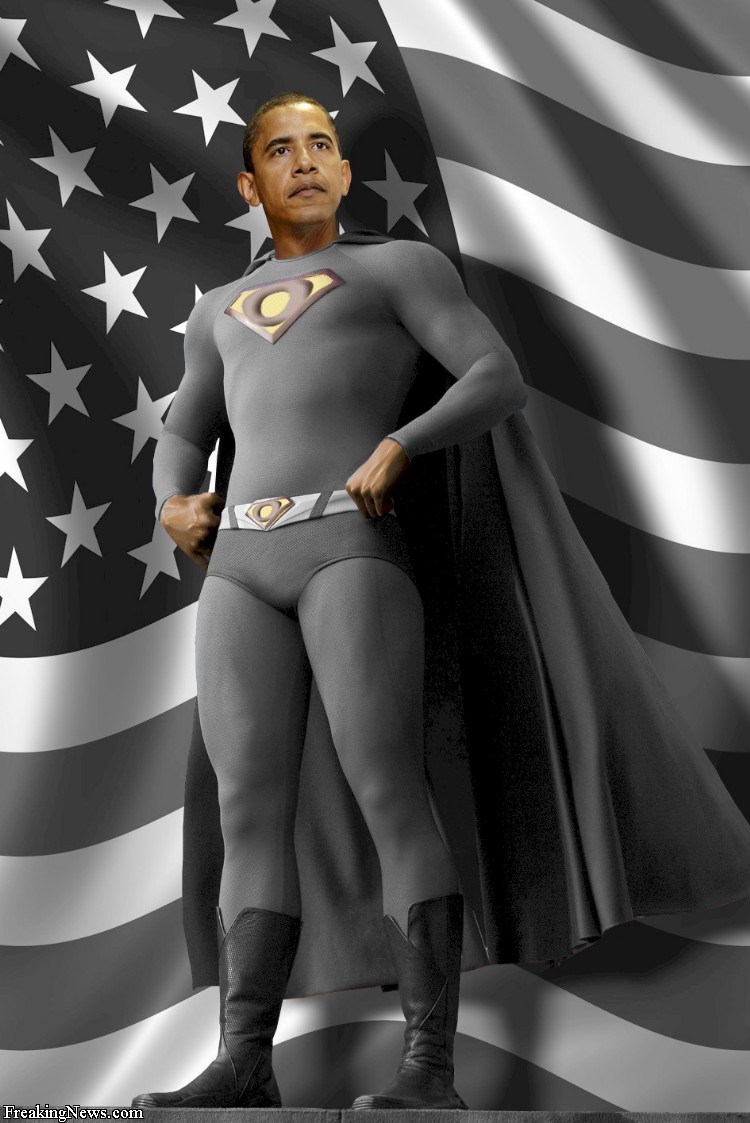
But London will be the big one. Gordon Brown – tired of saving the world on his lonesome – will slip into the role of Robin. Obama will play Batman and kick the world back into shape. The role of Joker is yet to be cast.
But will the summit be a success? The British PM has a lot riding on it, and not just because he believes he can use the event to transform his electoral prospects. We’re in the midst of “the first financial crisis of the global age,” he says, and the best solution is try to bind all the key global issues (economy, trade, climate change, energy, development etc) into a new vision for a “global society”.
“This is not like the thirties,” Brown told a Davos audience (slightly plaintively, perhaps). “The world can come together.” But will it? And more to the point, will Obama reserve sufficient bandwidth to global coordination? Or will he be sucked into further America First policies, as the mess at home hoovers up a growing proportion of his time, energy and political capital?
The past does not dictate the present of course, but the historical precedents are not so good. The nearest equivalent to the London Summit in the thirties was World Monetary and Economic Conference, which was held in the summer of 1933.
This meeting, which bought 66 countries together in last ditch attempt to trigger global economic recovery, was derailed by a new US President – Franklin D Roosevelt – who had recently been elected in a landslide. Roosevelt rejected a compromise deal that had been hammered out by his own delegation.
The result was humiliation for a weakened British Prime Minister, and a furious reaction from the other European nations, led predictably enough by the French. The Germans, meanwhile, were left out on a limb. Hitler – just settling in as Chancellor – was forced to disown his Economic Minister mid-summit. It was an early setback for him on the international stage.
(more…)
by Richard Gowan | Feb 2, 2009 | Africa, Conflict and security, Cooperation and coherence, Middle East and North Africa
News from Lebanon:
BEIRUT: Poland has said it may withdraw its troops from the United Nations Interim Force in Lebanon (UNIFIL), prompting fears of a “crunch” in international peacekeeping resources as governments slash spending in the face of the global financial crisis. Polish Prime Minister Donald Tusk said Saturday that his government would “certainly take a decision” this year on the continued presence of almost 500 troops that the country contributes to UNIFIL.
Last month Poland announced it would cut its contribution to a peacekeeping force in Chad in a bid to save money. “We will consider whether it makes sense to continue certain foreign missions,” Tusk said.
His comments come as his government announced it is cutting spending by almost $5 billion as the global economic crisis deepens, and there are fears that other countries could follow suit and seek to save money by withdrawing troops from expensive overseas peacekeeping missions.
Last week France announced cuts in such missions around the world, including the withdrawal of two naval vessels from UNIFIL’s maritime contingent, which patrols Lebanese waters to prevent arms smuggling into the country by sea.
The problem stems from the way the countries are reimbursed for the peacekeepers they provide. The UN offers a fixed amount for each solider that a country contributes to a peacekeeping mission, regardless of how much it costs the country to pay the soldier.
The system means that poorer countries are able to contribute troops without cost to their domestic budget. But in richer countries, where soldiers earn more than the UN’s reimbursement, national governments are footing the bill for contributing troops to the missions.
On this reckoning, the financial crisis means that the West will increasingly demand that poor countries take on peacekeeping – more UN and AU missions, then, and less from NATO. Poor governments may well respond with enthusiasm, as UN subsidies will help keep their generals happy. Peace operations will remain low-tech and dogged by fights between “those who pay” and “those who play”… Not a happy picture.
by Charlie Edwards | Feb 1, 2009 | Global Dashboard, UK
Once upon a time the Conservative Party was the natural home for national security policy. Not anymore. A combination of factors including the very necessary rebranding of the party; a focus on climate change, health and education has meant national security policy (in its broadest sense: defence, foreign affairs, and intelligence) is now, arguably, Cameron’s weakest policy area.
When David Cameron became leader of the Conservative Party in 2005, he deliberately set out a different vision than that of his predecessors by focusing on policy areas such as health, education and climate change. This was both a reflection of a shift in strategy – to move the Tories away from its ‘nasty party’ image but also because some of the best minds in the Conservative Party were thinking progressively on these issues (health in particular).
During this process of change national security policies largely became second order issues for the new leader. Cameron delegated these policy areas to colleagues, safe in the knowledge, he assumed, that each would be managed by a safe pair of hands. But he underestimated two forces at play. First the decline in knowledge and experience among Conservative MPs (which is still more than the Labour and the Liberal Democrats combined) in these policy areas and second; a lack of fresh and innovative thinking on national security within the party.
Arguably David Cameron’s first mistake was to assume that experience comes with expertise and sound judgement. In a speech to the think tank IISS on terrorism and national security he was quick to make reference to the ‘wealth of experience’ he had, citing numerous Lords and Dames he had recruited. The message was clear: I’m young and fresh but I have experienced politicians and practitioners on tap. But I’m reminded of a brilliant quote by Chris Donnelly, the former special adviser at NATO – who’s now at Oxford University:
In a period of stability and slow evolution our greatest asset is our experience. But at times of revolution our experiences can be fatal baggage. We can no longer assume that, because something we did worked well in the past, it is likely to continue to do so in current circumstances. If we are to survive living in a revolution, we will need to make a correspondingly revolutionary shift in the way we think about both the risk and the response.
(more…)
by David Steven | Jan 31, 2009 | What we're watching
[youtube]http://www.youtube.com/watch?v=ZyeTqrSrLQ0&feature=channel_page[/youtube]
by David Steven | Jan 31, 2009 | Global system

There were scenes of raw and ghastly panic on the interwebs today as Google went into meltdown and declared every site in the world (including their own) a security risk. Fortunately everything is now OK again, with other ongoing minor problems put firmly into perspective.
(Nouriel Roubini, who just knew this was going to happen, is available for interviews…)
Update: Here’s Google’s explanation of what went wrong. It appears a slip of the hand nearly destroyed the universe.