In Iran, Mousavi rallies his supporters
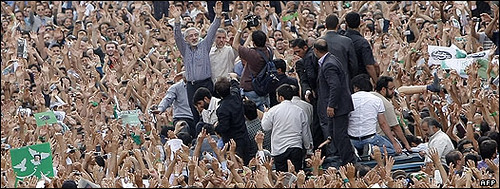

[youtube]http://www.youtube.com/watch?v=ey9Kgf-cB40&feature=player_embedded[/youtube]
From a post here last October:
[We can expect] a reduction in commodity prices for the duration of the global downturn (however long that may be) as demand for them falls. As I’ve mentioned, futures prices for grain crops are already falling; we can expect that trend to be supported by falling energy prices, which will reduce some of the pressure on food that’s come via fertiliser prices, transport costs and demand for crops as biofuels.
That said, let’s be clear: the fall in commodity prices due to a global downturn does not mean that we’re out of the woods for good on high food and fuel prices. As Javier Blas notes in the FT today, the downturn also means that necessary investment in increasing supply will be put off. As soon as we’re out of the dowturn and demand starts going up again, we’ll discover that there’s been no shift in the underlying supply fundamentals – and hence that the stagflation drivers we were all worrying about until the credit crunch really began in earnest are just waiting where we left them.
Latest oil price data (Jul 08 – now, courtesy of BBC News):
Latest FAO Food Price Index:

[youtube]http://www.youtube.com/watch?v=KEvSkQGXfs8&feature=player_embedded[/youtube]
US climate envoy, Todd Stern has tried to clarify exactly what the Obama administration wants from China on climate at Copenhagen (see post from Leo and me on the confusing signals the US has been sending out).
So here it is:
Obvious questions to ask Stern –